


四代目までの歩み一
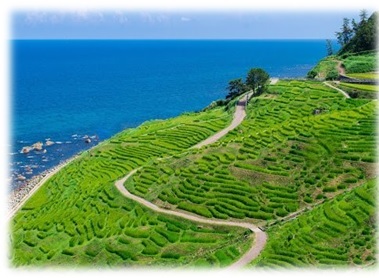
初代は、千枚田で有名な
白米から輪島に
初代は、千枚田で有名な
白米から輪島に
采色塗 なか門の歴史の流れ
Saishoku nuri; History of Nakakado
「2020年創業100年を迎える」
‘We will be celebrating our 100 year anniversary in 2020.’
In 1920, The first generation Wasaburo Nakakado was born in Shirayone town; famous for
its rice paddy fields called ‘Senmaida’ that was designated as GIAHS in 2011. However,
he moved to Wajima town and founded the Nakakado Urushi Shikki Ten. Working within the
company as a Kiji (wood base making) craftsman
GIAHS : Globally Important Agricultural Heritage Systems
Wasaburo's son, Yoshitaro, became a Nushiya (Wajima nuri producer) and undertook a career (Senmaida)
producing and selling their products outside of the city.
Wasaburo's grandson, Mamoru, followed in his father's footsteps as a producer. Selling his
products across Noto island. While occasionally moonlighting as a Nushiya.
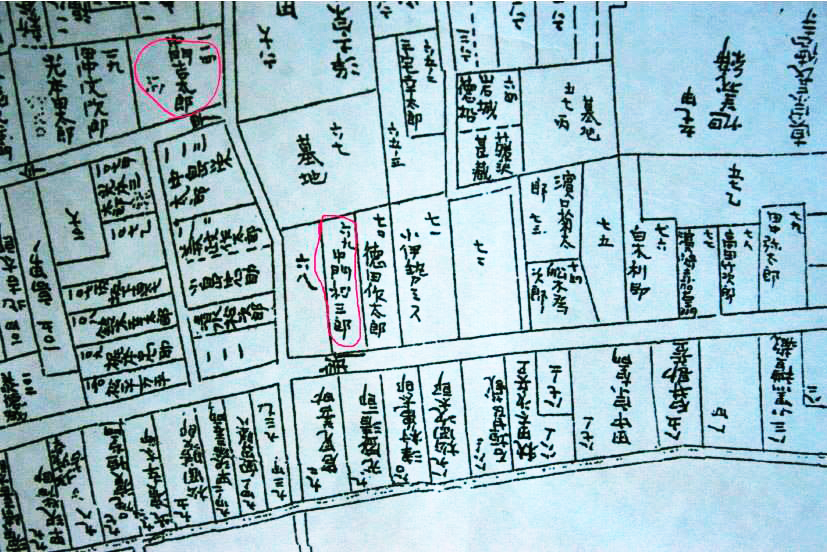
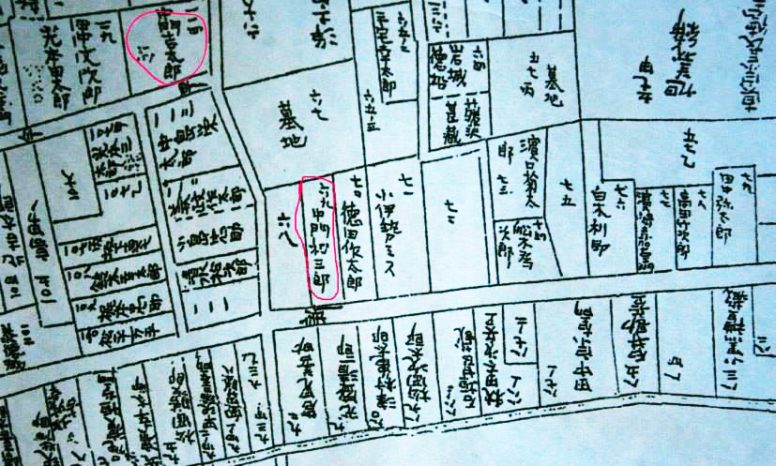
1920年 中門漆器店は初代中門和三郎が、2011年6月日本で初めて世界農業遺産に認定された千枚田のある白米から輪島に出て、輪島塗の木地屋を始めたそうです。
2代目 吉太郎は漆器製造をしながら行商に出て、輪島では塗師屋(プロデュースする人)と呼ばれていました。
3代目 守も製造をしながら、能登島を販路開拓し年に数回商品を持ってお得意先で商いに回っていました。
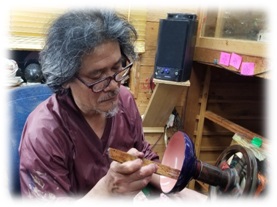
Wasaburo's great grandson, Hiroshi, was living outside of Wajima during his youth but came
back to Wajima when he was 22 years old and started training as a top coat craftsman at Urushi
vocational school. After finishing his studies, he began to work as a Top coat craftsman, coating
some 200 trays daily!
At that time, Japan was in the middle of the economic boom known as the ‘Bubble era’ and
people preferred to buy ornate and expensive Wajima nuri products sporting gold decorations,
such as low tables, shelves and Jubako (stackable bento boxes) .
As Hiroshi entered his thirties, he started experimenting with an original methodology.
As a result, he re-discovered the gradation pattern technique.
With black and red, typical and traditional urushi colours, Hiroshi has developed a glossier surface that gives a more contemporary look.
However, lacking the experience selling urushi products outside of Wajima, that his previous
generations had, Hiroshi struggled to do more than to purchase a glass display stand and sell his products directly from his studio.
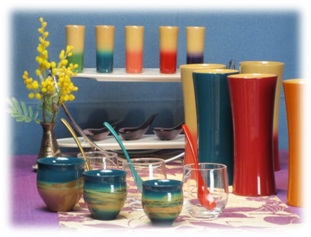
4代目 博は22歳の時輪島に戻り、上塗訓練校で上塗を学び輪島塗の最終工程の上塗を専門として輪島の業者の上塗を主に毎日200枚程のお盆を上塗しておりました。
その頃はバブルの絶頂期で、輪島塗は日常の生活から離れた煌びやかな蒔絵、沈金で美術品の様な高価な商品や、座卓・棚・重箱が売れていた時代でした。
30歳になって博は何か上塗だけで自分らしさを表現する塗り方が出来ないものかと、試行錯誤を繰り返す内に昔からある輪島塗の色、赤漆と黒漆のグラデーションを
再現させ、更に現代の生活に合う様に、漆に艶感をもたらす塗りを開発し、輪島塗の新しい世界を広げた。 職人で有る事から行商には中々出れなかった為、中古の
ガラスケースを1個買い工房でオリジナル商品の展示販売を始めました。